
England & Wales · Last reviewed: September 2026 · My Conveyancing Specialist
A maisonette is a self-contained home — usually a two-storey flat with its own private entrance — that sits within a larger building. It’s the middle ground between a flat and a house, and it comes with a few legal quirks worth understanding before you buy. Here’s what a maisonette is, how it differs from a flat, whether it’s leasehold or freehold, who’s responsible for the roof, and what your conveyancer will check.
In short
- A maisonette is a self-contained home within a larger building, usually over two floors, with its own front door to the outside.
- The key difference from a flat is the private entrance and private access — you don’t share a communal hallway.
- Most maisonettes are leasehold, so there’s usually ground rent and a service charge; some are freehold or share of freehold.
- Who repairs the roof and structure is the big thing to pin down — it’s split between the maisonettes and must be set out clearly.
- They give more space and privacy than a flat and are often an affordable step onto the property ladder.
What is a maisonette?
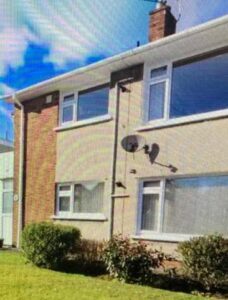
A maisonette is a self-contained flat that forms part of a larger building but has its own private entrance directly to the outside, rather than a communal entrance and communal hallway. It’s typically arranged over two floors with an internal staircase connecting them, which gives it a house-like feel. The word comes from the French maisonnette, meaning “little house” or small house — and that house-like layout is exactly why estate agents list them separately from ordinary flats.
You’ll most often find maisonettes in converted period houses — frequently a Victorian semi-detached house split into an upper and a lower maisonette, each its own separate dwelling — above commercial premises in town and city centres, or in a purpose-built housing block reached by external access. A ground-floor maisonette often comes with a private garden, while an upper-floor maisonette usually spans the first floor and above with its own private staircase. In the US, a similar two-storey flat is called a duplex flat.
Maisonette vs flat: what’s the difference?
The two terms are often used interchangeably in property listings, but there are real differences. A maisonette has its own front door and private access to the street; a flat is reached through a communal entrance and shared hallway. A maisonette is usually over two floors with its own staircase, whereas a flat — including a ground-floor flat — is typically on one floor. Many maisonettes come with private outdoor space, such as a private garden or terrace, while flats more often share communal areas and communal gardens. Fewer shared spaces mean fewer neighbours passing your door and less noise.
Legally, though, a maisonette is usually treated in the same way as a flat — most are leasehold, with the same sorts of obligations. So while it feels more like a house, the paperwork behind it tends to look like a flat’s.
Is a maisonette a house or a flat?
Neither, exactly. A maisonette shares the private, two-storey, own-front-door feel of a house, but because it’s part of a larger building and usually leasehold, it’s normally classed and mortgaged as a flat. Compared with a traditional house or a semi-detached house, it’s smaller and rarely a standalone home. That legal status — not the house-like layout — is what matters for lenders, surveys and conveyancing.
Leasehold and freehold maisonettes
Most maisonettes are leasehold, but leasehold and freehold maisonettes both exist, along with share of freehold — and the difference matters a great deal. With a leasehold maisonette you own the self-contained flat for the term of the lease and pay ground rent and a service charge to the freeholder; because a maisonette has little communal space, the associated costs are often lower than on a flat. A freehold maisonette means you own the property and the ground it sits on outright, but it can be harder to mortgage, because lenders worry about whether repairing obligations between the upper and lower homes can be properly enforced (a “flying freehold” issue, where part of one home sits above another). With a share of freehold the maisonette owners jointly own the freehold and manage the building between them — often the most straightforward arrangement.
Who owns the roof on a maisonette?
This is the single most important thing to get right, and it catches buyers out. In a building of upper and lower maisonettes, the roof, external walls and structure are shared between the homes — so the lease or transfer deed must spell out who maintains what. Typically, the upper maisonette is responsible for the roof and guttering, and the lower maisonette for the foundations and ground, with shared obligations for the main structure and any common parts.
Where those repairing responsibilities are clearly written into the lease (or into mutual covenants on a freehold or share-of-freehold maisonette), everything runs smoothly. Where they’re vague or missing — more common with older freehold maisonettes — it can be hard to force your neighbour to contribute to a shared repair, and lenders may be reluctant to lend. Checking this is a core part of the conveyancing.
Buying a maisonette: what to check
Alongside the usual searches and enquiries, your conveyancer will pay close attention to the lease length (anything under about 80 years can push up the cost of extending the lease and make a mortgage harder); the ground rent and service charges, whether the ground rent escalates, and any planned major works; the repairing obligations for the roof, external walls and structure, and whether they’re properly enforceable; the buildings insurance, and whether both maisonettes are covered under one policy; and alterations, since maisonettes generally have no permitted development rights, so extensions — including using the loft space for a conversion — need planning permission and usually the freeholder’s or neighbour’s consent. Because a maisonette shares a structure with another home, a proper survey during your property search is well worth it.
Pros and cons of a maisonette
The advantages: more space and living space than a typical flat, your own front door and separate entrance (and often private outdoor space), frequently lower service charges because there’s little communal area, and an affordable route onto the property ladder — which is why maisonettes appeal to first-time buyers. The two floors also often give useful loft space for storage.
The trade-offs: most are leasehold, with ground rent, service charges and lease-length to watch; repairs to the shared structure need cooperation with the other maisonette; there are no permitted development rights, so altering the property is harder; noise can be an issue if you’re above commercial premises; and freehold maisonettes in particular can be trickier to mortgage and resell. Maisonettes are often cheaper than an equivalent house largely because they’re part of a larger building and usually leasehold — not because there’s anything wrong with them.
How we can help
The legal detail is where a maisonette purchase is won or lost — the lease, the ground rent, and above all who is responsible for the roof and structure. Our panel of SRA- and CLC-regulated conveyancers checks all of this and explains what it means for you before you commit, so there are no surprises after completion.
Frequently asked questions
Is a maisonette a house or a flat?
It feels like a house — private entrance, two floors — but it’s part of a larger building and usually leasehold, so it’s normally classed and mortgaged as a flat.
Who owns the roof on a maisonette?
Usually the upper maisonette is responsible for the roof and the lower for the foundations, with shared obligations for the structure. It should be set out clearly in the lease or transfer — your conveyancer will confirm it.
Do you pay a service charge on a maisonette?
On a leasehold maisonette, usually yes — plus ground rent — though it’s often lower than a flat’s because there are fewer communal areas. A share-of-freehold maisonette may have costs shared informally instead.
Can you get a mortgage on a maisonette?
Yes for most leasehold maisonettes with a good lease length. Freehold maisonettes can be harder, as lenders want to see that repairing obligations between the homes are enforceable.
Can you extend or alter a maisonette?
It’s possible but harder — maisonettes have no permitted development rights, so you’ll usually need planning permission and the freeholder’s or neighbour’s consent.
Why are maisonettes cheaper than houses?
Mainly because they’re part of a larger building, usually leasehold and generally smaller — not because of any inherent problem. They often cost more than a comparable flat, though, for the extra space and privacy.
This guide is general information as at September 2026 and is not legal advice. What applies to a particular maisonette depends on its lease and title, so always take advice from your own conveyancer.
Buying a maisonette? Get a fixed-fee conveyancing quote today → and we’ll check the lease and repairing obligations as part of your purchase.
Get an Instant Quote >>